In today’s hyper-competitive digital landscape, building an online store isn't enough; you need a strategic partner capable of truly Maximizing ROI & Growth with Shopify. For countless entrepreneurs and established enterprises, Shopify isn't just a platform; it's an entire ecosystem engineered to transform ideas into thriving businesses. It's where ambition meets scalable infrastructure, allowing merchants to focus on their vision while the technical heavy lifting is handled.
From secure global payments and lightning-fast checkouts to personalized customer experiences, Shopify provides the backbone for significant online success. It's a system trusted by over 1.7 million active stores worldwide, collectively generating over $235 billion in Gross Merchandise Volume (GMV). But how do you move beyond merely having a store to genuinely unlocking its full potential and seeing that crucial return on investment? This guide cuts through the noise to show you exactly how.
At a Glance: Key Takeaways for Shopify Success
- Strategic Plan Selection: Match your Shopify plan (Basic to Plus) to your current revenue and growth projections to optimize costs and features.
- Conversion-First Design: Prioritize mobile responsiveness, fast load times, clear CTAs, and robust trust signals to turn visitors into buyers.
- Curated App Ecosystem: Select apps like Klaviyo (marketing), Loox (reviews), and Loop Returns (post-purchase) strategically to enhance functionality without bloat.
- Frictionless Checkout: Simplify forms, offer diverse payment options, and leverage Shopify Payments/Shop Pay to minimize cart abandonment.
- SEO for Organic Growth: Optimize product pages, use alt tags, structure URLs, and blog consistently to drive long-term organic traffic.
- Data-Driven Decisions: Utilize Shopify analytics and external integrations (Google Analytics, BI tools) to understand customer behavior and sales trends.
- Global Expansion: Employ Shopify Markets for multi-currency, multi-language support, and localized selling to tap into international revenue streams.
- Future-Proofing: Explore headless commerce with Shopify (Hydrogen/Oxygen) for ultimate customization, performance, and omnichannel consistency, especially for enterprise needs.
Beyond the Basics: Why Shopify is a Growth Engine (and Not Just a Storefront)
At its core, Shopify provides an end-to-end infrastructure that takes the guesswork out of e-commerce. It's built for speed, security, and global reach right out of the box, offering PCI DSS compliance, vast payment gateway integrations, and responsive design templates that adapt to any device. But its true power lies in its capacity for evolution—growing with your business, whether you're a lean startup or a multi-million dollar enterprise.
The secret to maximizing your ROI with Shopify isn't just about launching a store; it's about making informed choices every step of the way, from selecting the right plan to fine-tuning your international sales strategy.
The Right Foundation: Choosing Your Shopify Plan for Optimal ROI
One of the first, and most critical, decisions you'll make is selecting the appropriate Shopify plan. This isn't just about monthly fees; it's about aligning features, transaction costs, and scalability with your business's current stage and future ambitions. A common mistake is either overpaying for features you don't need or under-investing and hitting limitations that stifle growth. For anyone exploring understanding Shopify's worth, understanding these tiers is foundational.
Basic Shopify: The Launchpad for Startups
At just $29/month, Basic Shopify is your gateway to online selling. It’s perfect for new businesses or those with limited inventory who need fundamental e-commerce functions. You get a secure checkout, shipping labels, basic reporting, and support for up to two staff accounts. This plan allows you to get online quickly, validate your product, and start generating revenue without a significant upfront investment. Your focus here should be on proving your concept and building an initial customer base.
Shopify Plan: Scaling Your Ambitions
Priced at $79/month, the Shopify Plan is designed for scaling businesses often generating between $50,000 to $250,000 in annual revenue. This tier introduces enhanced reporting, professional Google Analytics integration, and crucially, lower credit card rates through Shopify Payments. Opting for Shopify Payments virtually eliminates third-party transaction fees, directly boosting your profit margins as you grow. If you're seeing consistent sales and need better insights to fuel your next growth phase, this is your sweet spot.
Advanced Shopify: Mastering High-Volume Growth
For high-volume sellers, typically exceeding $1 million in annual revenue, Advanced Shopify at $299/month offers the tools needed to operate at scale. This includes in-depth analytics, granular reporting, API access for deeper integrations, priority 24/7 support, advanced fraud analysis, and automated report scheduling. These features are indispensable for optimizing large-scale operations, identifying nuanced trends, and proactively mitigating risks, all contributing to a healthier bottom line.
Shopify Plus: Enterprise Power, Bespoke Control
When your business processes over $1 million GMV annually, Shopify Plus ($2,000+/month) becomes an indispensable enterprise solution. This plan unlocks complete customization, headless commerce capabilities (which we'll explore later), dedicated launch managers, SLA-backed uptime guarantees, and custom scripting for complex checkout logic and multi-channel selling. Shopify Plus is engineered for brands that demand unparalleled flexibility, performance, and support to manage massive traffic, intricate sales funnels, and global expansion with confidence. It even includes a dedicated B2B channel for streamlined wholesale operations within the same admin interface.
Designing for Dollars: Conversion Rate Optimization (CRO) That Pays Off
A beautiful website is nice, but a website that converts is vital for ROI. Poor checkout design alone contributes to nearly 17% of shopping cart abandonment. This is where Conversion Rate Optimization (CRO) comes in—a continuous process of refining your store to encourage more visitors to take desired actions, like making a purchase.
First Impressions Matter: User Experience & Mobile Responsiveness
The digital storefront equivalent of curb appeal, your store’s design profoundly impacts conversion rates. A strong visual hierarchy guides visitors, highlighting prominent Call-to-Action (CTA) buttons. Given that mobile commerce dominates and 40% of visitors abandon sites taking over three seconds to load, prioritizing mobile responsiveness and fast loading speeds isn't optional; it's imperative.
- Optimize Images: Compress images without sacrificing quality. Shopify’s built-in tools help, but third-party apps can offer more granular control.
- Streamline Navigation: Ensure menus are intuitive and product categories are logically structured. A clear path to purchase is a fast path to purchase.
- Prominent CTAs: Use contrasting colors and clear, actionable language for buttons like "Add to Cart" or "Buy Now."
Building Trust and Transparency
In the online world, trust is the ultimate currency. Shoppers need reassurance that their money and data are safe, and that they’ll get what they paid for.
- Visible Trust Signals: Display SSL badges, secure checkout icons, and recognized payment logos prominently.
- Clear Policies: Make your return, refund, and shipping policies easily accessible (often in the footer). Ambiguity here is a conversion killer.
- Customer Reviews: Integrate apps like Loox or Judge.me to collect and showcase authentic customer reviews and ratings. Social proof is incredibly powerful, and a healthy volume of reviews can significantly sway purchasing decisions.
The Art of Persuasion: Product Pages that Convert
Your product pages are where the rubber meets the road. This is where a visitor decides if they want to add to cart.
- High-Quality Product Photography: Professional, varied images that showcase the product from multiple angles and in context are non-negotiable. Video demonstrations can further enhance engagement.
- Detailed & Benefit-Oriented Descriptions: Go beyond features. Explain how the product solves a problem or enhances the customer’s life. Use storytelling where appropriate.
- Personalization: Leverage AI-powered product recommendation apps or dynamic popups that suggest complementary items, increasing average order value (AOV). Showing "customers who bought this also bought..." can be highly effective.
The Power Hub: Curating Your Shopify App Ecosystem for Efficiency
Shopify’s app ecosystem is a treasure trove of tools that extend functionality and automate tasks. However, strategic app selection is paramount; indiscriminately installing apps can lead to performance issues, unnecessary costs, and "app bloat."
Essential Apps for Every Stage
Consider these categories to boost your store's performance and ROI:
- Email & SMS Marketing Automation: Klaviyo stands out here. It allows for advanced customer segmentation and automated flows (welcome series, abandoned cart reminders, post-purchase follow-ups) that can generate up to 3.5x higher revenue per recipient from segmented campaigns.
- Customer Reviews & UGC: As mentioned, Loox or Judge.me are critical for building social proof, which directly impacts trust and conversions.
- Dropshipping & Inventory Management: For dropshippers, Oberlo or Spocket streamline product sourcing and fulfillment. For traditional retailers, robust inventory management is crucial. TradeGecko (QuickBooks Commerce) provides real-time inventory visibility across multiple channels, preventing overselling and optimizing stock levels.
- Upsell & Cross-Sell: Apps dedicated to suggesting additional products at strategic points (cart, checkout, product page) are proven to boost average order value.
- Post-Purchase Experience & Returns: Loop Returns not only simplifies the return process for customers but can also help reduce refund rates by up to 30% by encouraging exchanges or store credit instead of full refunds. This transforms a potential loss into retained revenue or a future sale.
Avoiding App Bloat: Less is More
Regularly audit your installed apps. If an app isn’t actively providing value, streamlining operations, or directly contributing to sales, it’s likely slowing your site down and potentially costing you money. Remove unused apps promptly. Aim for quality over quantity, focusing on solutions that solve specific business needs.
Sealing the Deal: Streamlining Your Checkout for Maximum Conversions
Globally, over 69% of shopping carts are abandoned. This staggering figure highlights the critical importance of a smooth, reassuring checkout experience. Even after all your efforts to attract and engage customers, a clunky checkout can cost you sales.
Frictionless Payments: The Shopify Advantage
- Simplify Forms: Minimize the number of fields customers need to fill out. Leverage auto-fill features and offer guest checkout options.
- Multiple Payment Options: Support a variety of payment methods, including major credit cards, digital wallets like PayPal, Apple Pay, and Google Pay, and relevant regional payment methods. Consumers have preferences, and not offering their preferred method is a common reason for abandonment.
- Shopify Payments & Shop Pay: Using Shopify Payments not only lowers your credit card rates but also enables Shop Pay, a one-click checkout experience that significantly speeds up the process for returning customers, leading to higher conversion rates and fewer abandoned carts.
Trust and Security at Every Step
Reassure customers throughout the checkout funnel.
- Secure Checkout Badges: Display clear indicators that their information is protected.
- Return Policy & Contact Info: Briefly reiterate your return policy or offer a quick link to it, along with visible customer support contact information. This reinforces trust and reduces anxiety.
- Transparency: Clearly display shipping costs and estimated delivery times early in the process to avoid surprises at the final stage.
Unlocking Organic Traffic: Shopify SEO Strategies for Lasting Visibility
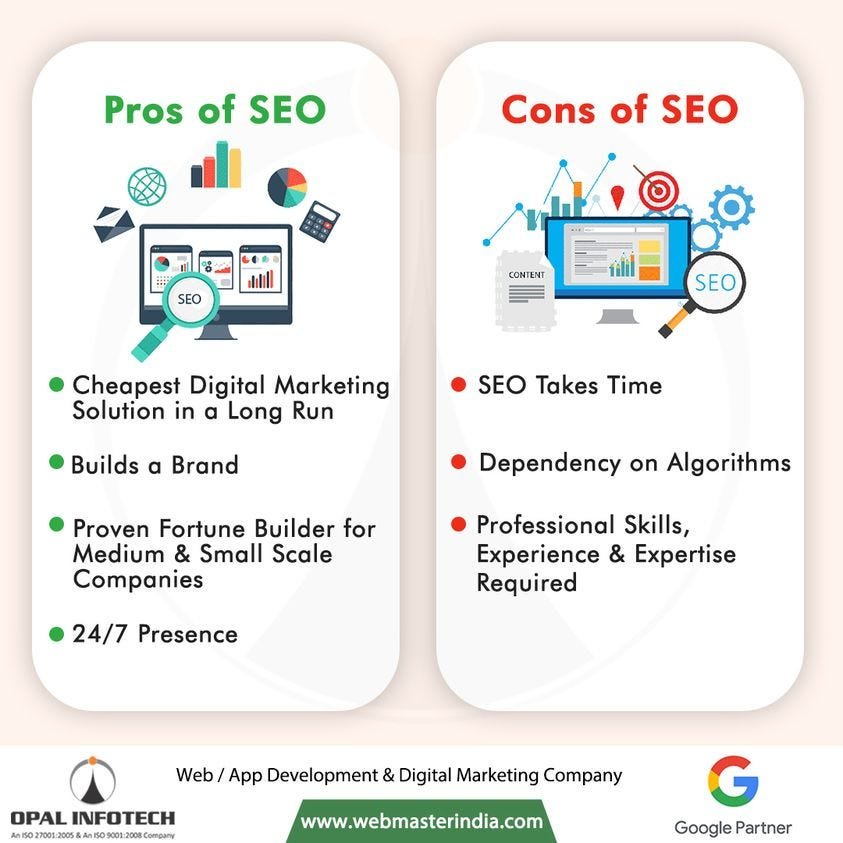
Search Engine Optimization (SEO) is the engine that drives sustainable, cost-effective organic traffic to your store. Unlike paid ads, which stop delivering traffic when you stop paying, good SEO delivers long-term results and significantly enhances your ROI over time.
On-Page Optimization: Your Product as a Beacon
Shopify provides robust built-in SEO tools, but they’re only as effective as your implementation.
- Keyword Research: Identify high-ranking keywords relevant to your products and niche. Tools like Ahrefs or SEMrush can be invaluable here.
- Optimize Product Descriptions & Meta Titles: Naturally weave your target keywords into product titles, descriptions, and meta descriptions. Your meta title is your store's headline in search results; make it compelling and keyword-rich.
- Image Optimization: Use descriptive alt tags for all product images (important for accessibility and SEO) and compress images to improve page load speed.
- Clean URLs: Ensure your product and page URLs are short, descriptive, and include relevant keywords.
- Structured Data: Shopify themes often handle much of the schema markup automatically, helping search engines understand your product information better.
Content Marketing: Building Authority and Traffic
A blog isn't just for sharing news; it's a powerful SEO tool.
- Regular, Optimized Content: Consistently publish high-quality, SEO-optimized blog content that addresses customer pain points, answers questions related to your products, or explores topics within your niche. This builds authority and attracts a wider audience.
- Internal Linking: Link from your blog posts to relevant product pages, guiding visitors deeper into your store and distributing "link juice" across your site.
- Educational Guides: Create comprehensive guides or tutorials around your products. For instance, a coffee brand could publish "The Ultimate Guide to Brewing Perfect Espresso at Home."
Data-Driven Decisions: Mastering Shopify Analytics for Growth
You can't optimize what you don't measure. Shopify's analytics suite provides deep insights into customer behavior, sales trends, and the effectiveness of your marketing efforts. This data is the compass guiding your growth strategy.
Key Reports to Monitor
- Sales Reports: Understand your revenue, top-selling products, sales over time, and average order value. Identify trends and popular items.
- Customer Reports: Segment your audience, understand their purchasing patterns, and identify your most valuable customers. This data informs targeted marketing campaigns.
- Behavior Reports: See how users navigate your store, which pages they visit most, and where they drop off. This helps identify bottlenecks in your user experience.
Beyond the Dashboard: Integrating for Deeper Insights
For a truly comprehensive overview, integrate your Shopify store with Google Analytics. This provides granular data on traffic sources, user demographics, session duration, and more.
Advanced users can export raw data from Shopify or connect to external Business Intelligence (BI) tools via APIs. This allows for custom dashboards, cohort analysis (tracking customer retention over time), and more sophisticated calculations of customer lifetime value (CLV). By understanding CLV, you can determine how much you can afford to spend to acquire a new customer, directly impacting your marketing ROI. Merchants using integrated marketing and analytics tools on Shopify see an average Return on Ad Spend (ROAS) of 4:1 across digital advertising channels, underscoring the power of data-driven strategy.
Going Global: Expanding Your Reach with Shopify Markets
Embracing globalization is no longer a luxury for e-commerce; it's a proven strategy to enhance ROI. Shopify makes international selling remarkably accessible, addressing common pain points that deter many businesses.
The Power of Localized Experiences
Consider this: 76% of consumers prefer buying in their local currency, and 40% abandon carts when forced to manually convert prices. Offering a localized experience isn't just about convenience; it's about trust and meeting customer expectations.
- Multi-currency Support: Enable multi-currency options via Shopify Payments, allowing customers to browse and pay in their preferred currency.
- Multi-language Functionality: Integrate apps like Langify or Weglot to translate your store into multiple languages, reaching a wider audience and improving SEO in international markets.
Shopify Markets & Markets Pro: Your Passport to International Sales
Shopify Markets (available on Shopify and higher plans) simplifies international selling by automatically adapting pricing, language, currency, duties, and compliance rules based on the customer’s location. This reduces operational complexity and helps you avoid legal pitfalls.
For even more advanced international selling, Shopify Markets Pro (part of Shopify Plus) takes the burden off your shoulders by providing centralized management of international domains, legal compliance templates, and handling complex logistics like duties and taxes—essentially acting as your merchant of record in new territories. This allows you to scale globally with unprecedented ease and confidence, tapping into vast new customer bases.
Future-Proofing Your Brand: Exploring Headless Commerce with Shopify
For businesses pushing the boundaries of online experience, headless commerce represents the pinnacle of customization and performance. Shopify supports this through its Hydrogen (a React-based framework) and Oxygen (Shopify’s hosting environment).
What is Headless Commerce, and Why Does it Matter?
Headless commerce decouples your store’s front-end (what customers see) from its back-end (Shopify’s powerful commerce engine, inventory, and order management). This allows you to create bespoke shopping experiences on any device—smart TVs, augmented reality (AR) apps, progressive web apps (PWAs), or custom mobile apps—while still leveraging Shopify for unified inventory, customer data, and secure transactions.
The advantage? Unparalleled flexibility in design, blazing-fast performance, and the ability to innovate without being constrained by traditional theme limitations. Custom apps and scripts also allow fine-tuning pricing rules, discounts, and complex checkout logic, ideal for B2B models or subscription services.
When to Consider Shopify Headless (Hydrogen/Oxygen)
While requiring significant technical expertise and often a higher investment, headless solutions offer long-term advantages in:
- Brand Differentiation: Create a truly unique brand experience that stands out.
- Performance: Deliver lightning-fast load times, crucial for SEO and conversion.
- Omnichannel Consistency: Provide a seamless customer journey across all touchpoints, whether it’s a web browser, a mobile app, or an in-store kiosk.
- Complex Business Models: Ideal for businesses with intricate B2B requirements, custom subscription logic, or highly personalized customer interactions.
For enterprises leveraging Shopify Plus, headless commerce unlocks the ultimate potential for growth, allowing them to adapt to evolving customer expectations and emerging technologies rapidly.
Common Questions About Shopify ROI & Growth
Let's address some common queries that often come up when discussing the financial implications and growth potential of Shopify.
"Does Shopify take a cut of my sales?"
Shopify doesn't take a percentage of your sales directly. However, transaction fees (ranging from 2.0% to 2.9% plus a fixed fee) apply if you use an external payment gateway. If you use Shopify Payments, these additional transaction fees are eliminated, which is why it's highly recommended for maximizing your profit margins. You will still pay standard credit card processing fees, similar to any payment processor.
"How secure is Shopify for customer data?"
Shopify is Level 1 PCI DSS compliant. This means it adheres to the highest standards for handling customer data securely, including encryption, regular security audits, and built-in protection against DDoS attacks and fraudulent transactions. Your customers' payment and personal information are protected by industry-leading security measures, building essential trust for your brand.
"Can I upgrade/downgrade my plan easily?"
Yes, Shopify allows seamless plan upgrades or downgrades at any time without disruption to your store's data or sales. This flexibility is crucial for businesses that might experience seasonal fluctuations or rapid growth, ensuring you're always on the most cost-effective plan for your current needs. You can adjust your plan directly from your Shopify admin.
"Is Shopify suitable for B2B sales?"
Absolutely. While often associated with DTC (direct-to-consumer), Shopify has powerful features for business-to-business (B2B) sales. Shopify Plus, in particular, offers a dedicated B2B channel feature that supports wholesale pricing, customer account management, and streamlined bulk ordering within the same admin interface. This allows businesses to manage both their retail and wholesale operations efficiently from one platform.
Your Next Steps: Building a Shopify Empire
Maximizing ROI and growth with Shopify isn't a one-time setup; it's a continuous journey of optimization, adaptation, and strategic expansion. The insights shared here are your roadmap. Start by evaluating your current Shopify plan against your business needs, then systematically work through your store's design, app ecosystem, checkout process, SEO, and data analysis.
Don't be afraid to experiment, test, and iterate. The beauty of the Shopify ecosystem is its flexibility and the wealth of tools available to help you make informed decisions. By committing to a data-driven approach and a customer-centric mindset, you won't just run an online store; you'll build a resilient, profitable, and ever-growing digital enterprise. The tools are at your fingertips; now it's time to put them to work.